
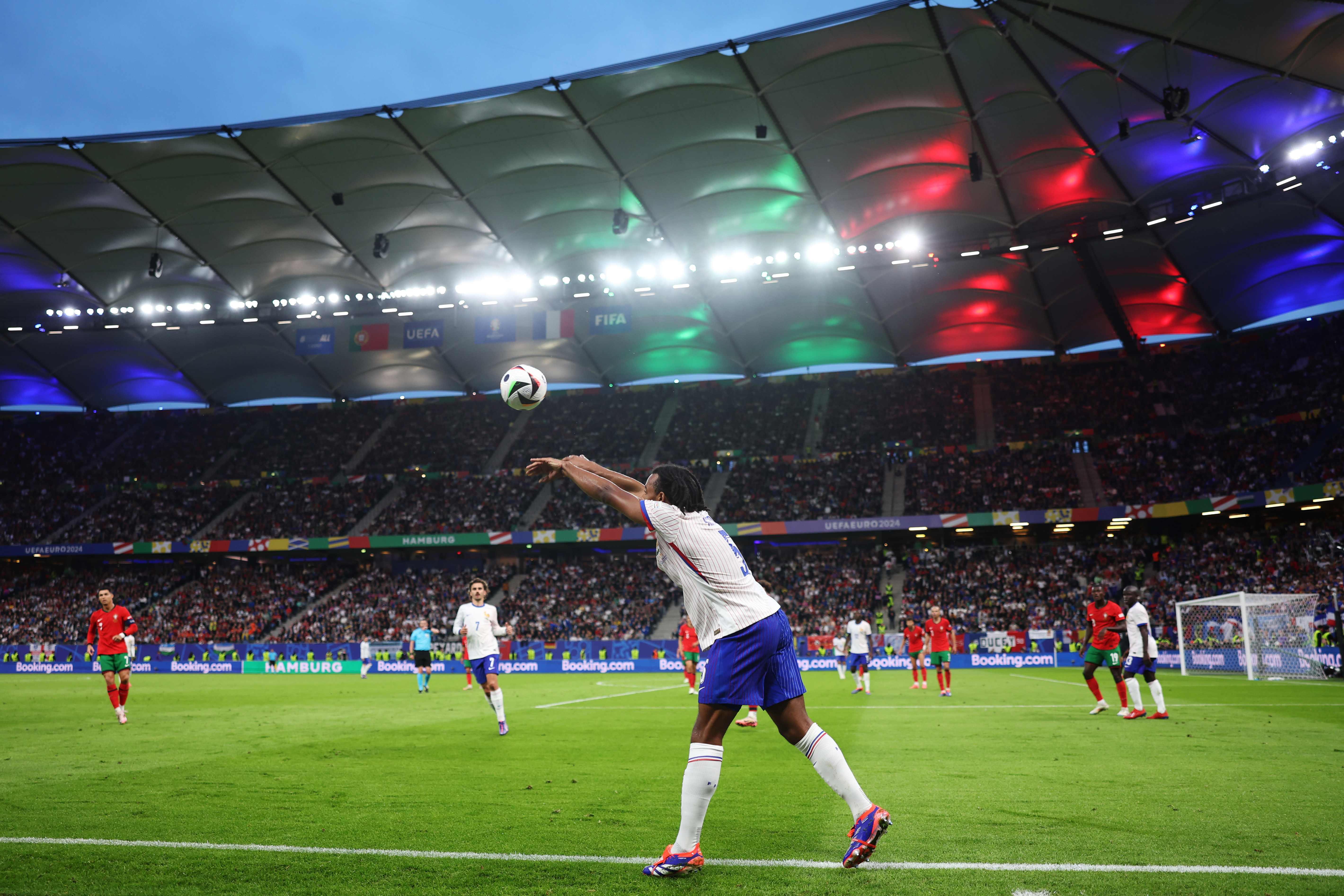
February 24 – Five-second countdowns for throw-ins and goal kicks are set to feature at this summer’s FIFA World Cup, with football’s lawmakers moving to clamp down on time-wasting and slow restarts.
The International Football Association Board (IFAB) is expected to approve a series of amendments at its upcoming annual general meeting in Wales, building on the introduction of the eight-second goalkeeper rule trialled this season. That measure – requiring keepers to release the ball promptly or concede a corner – has been viewed internally as a success in maintaining tempo.
Under the proposed changes, referees would have the authority to initiate a visible five-second countdown where they believe a player is deliberately delaying a restart from a throw-in or a placed goal kick. In practical terms, an official would whistle, signal the countdown and track it manually. Failure to restart play within five seconds would see possession reversed for a throw-in, while excessive delay at a goal kick could result in a corner being awarded.
Although any changes would formally enter the Laws of the Game on July 1, competitions beginning just before that date – such as the World Cup – may choose to adopt them immediately.
With FIFA keen to present themselves as pioneers for footballing change, it is more than likely that the World Cup, already featuring a roster of changes from previous editions, will add one more change.
Further time-control measures are also under discussion – IFAB is considering introducing a 10-second limit on substitutions, with teams exceeding the allowance temporarily forced to operate a player short.
A uniform one-minute rule for players treated for injuries that have stopped play is expected to replace the patchwork of approaches currently in place. Trials of this have ranged from 30 seconds in the Premier League to as long as three minutes in MLS.
The objective is twofold: protect match tempo and reduce the volume of added time at the end of halves, a point of growing sensitivity among players, broadcasters and supporters. FIFA say that the extended stoppage-time model – which was particularly prevalent in 2022’s World Cup – has delivered greater accuracy but also contributed to longer overall match durations to players already unhappy with overall minutes demand.
Goalkeepers will remain exempt from the proposed injury time limit, although IFAB say discussions are still developing around whether teams are exploiting stoppages involving keepers to regroup or receive tactical instruction. Future trials could even examine requiring an outfield player to leave the field when goalkeeper treatment halts play.
If ratified, the changes would represent IFAB’s most coordinated attempt yet to address what many within the game see as creeping gamesmanship around restarts – a small shift in the wording of the laws, but potentially a significant adjustment in how matches flow at the highest level.
Contact the writer of this story, Harry Ewing, at moc.l1771932805labto1771932805ofdlr1771932805owedi1771932805sni@g1771932805niwe.1771932805yrrah1771932805